The Stain
A film by Marjut Rimminen and Christine Roche
Triggered by an actual news item about suicidal octogenarian twins, The Stain is a dark, domestic thriller which uses drawn, puppet, pixilation and live-action animation styles to spin a claustrophobic web of incest and intrigue.
An examination of incest and sex abuse within the nuclear family. … The Freudian ability of animators deftly to display the motives behind the mask is one of the great strengths of the form. Animation can handle difficult delicate topics with extraordinary lightness and perception.
Jeanette Winterson, Sight and Sound, October 1992
An imaginative animated fable about the benefits of family life: envy, incest, murder. With all the sinister simplicity of a tale by Edward Gorey, it is exactly the sort of thing that distributors should be picking up as support for their new features.
Waldo Lydecker, Time Out, 31 July 1991
This is a kind of crusade for me. From the very moment I discovered animation, I sensed that it could deal with life’s complex issues and be more powerful in it than live action. We receive animation differently. By not being real, animation can seduce the viewer to look at something he rather does not, and reach beyond the eyes, directly to the emotions of the viewer.
Marjut Rimminen, Edwin Carels interview, Annecy 1993
The Stain, a stylistic tour-de-force, employs brightly painted, childlike images to convey the flights of fancy of a disabled adolescent; life with her abusive siblings, by contrast, is depicted through stark model animation.
B.C., The Motion Picture Guide 1995 Annual
In The Stain, the past haunts the present in a tight economy of flashbacks and recurrent images. As in the best short films nothing is wasted and everything interlocks until the whole edifice comes tumbling down. Like a Greek tragedy, the outcome is already foretold yet the dénouement is no less shocking when it comes. The film as a whole has a visceral impact like a good production of Oedipus Rex, which was, after all, the original family drama.
Leslie Felperin Sharman, Sight and Sound, November 1992
What saves the film from becoming an overly simplified and binarized view of illicit familial desire in which men emerge as perpetrators and women as victims is its visual, narrative and psychological complexity through which even the darkest moments of this alternative to the home movie resist reductive moral judgements.
Karen Beckman, Mixing Memory and Desire, in Jayne Pilling (ed.), Animating the Unconscious, 2012, page 190
Marjut talked about making the film with Jayne Pilling in September 1991 and again in June 2008. The interviews, with Christine Roche’s, were published as “The Stain: Interviews with Marjut Rimminen and Christine Roche” in Pilling’s book Animating the Unconscious: Desire and Sexuality in Animation (Wallflower Press, 2012).
Christine and I decided to go to Eastbourne and play sleuth. We talked to journalists and people in the town, but nobody knew or would speculate on the suicide. We went to the house, peering in from outside. This gave us a lot of insight: the detached house, the high walls with broken glass on them to keep intruders out, indicated wealth and isolation. Everything was immaculately kept, even the greenhouse windows were clean. The curtains were drawn, letting in only a little daylight. It all indicated control freakery, and these became the big sister’s qualities. There were things we observed that we used: an older man mowing the lawn, whose looks and dress were like those of the twins in the film, and some things we didn’t. Going there made it somehow very real to us.
Marjut Rimminen, interviewed by Jayne Pilling, Animating the Unconscious, 2012, page 195
As part of our research, we had weekly meetings with Julia Vellacott, a psychotherapist specialising in suicide. At the beginning it was not so much about the story; her first question to us was ‘why does this story interest you?’ So it became our story. We had to think: why were we interested? All this generated so much energy, and prompted such realisations. The first thing we changed was the victim: the sibling had to become a girl because we needed to identify with her, we don’t necessarily understand the men. … Often the problem with personal films is that they are too personal, they lose universality. But research can go on forever, you need to know when to stop and leave something to be discovered. Since animation takes such a long time it needs to have some discoveries along the way. The scene in which the photo of the daughter/sister as a baby is scribbled on, defaced, wasn’t something that was planned, it just happened as the picture was there, and it worked.
Marjut Rimminen, interviewed by Jayne Pilling, Animating the Unconscious, 2012, page 195
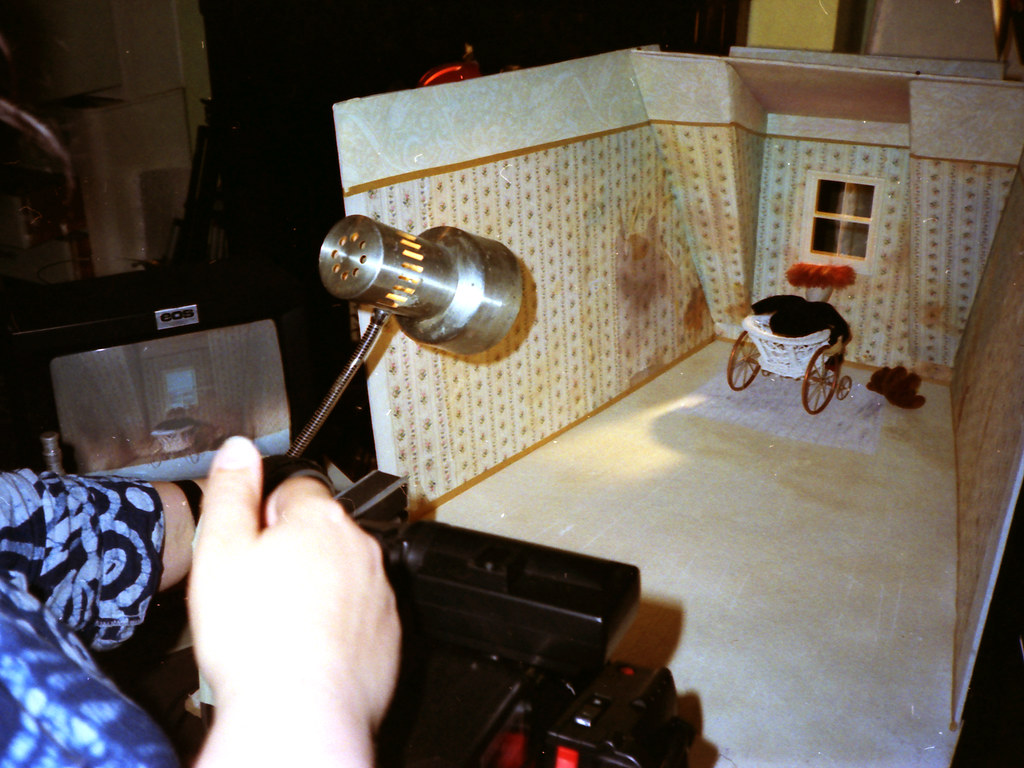
A storyboard is never finished, it’s constantly changing, which is very exciting, because it means you’re evaluating as you go along. Clearly, however, 2D animation needs to follow a storyboard. So every morning I’d redraw the sequence that was to be shot that day. Working on such a small scale, as we were, can make things more flexible. For example, we did the house as a model, but it didn’t look right, it felt too table-top, so we changed it to drawn.
Marjut Rimminen, interviewed by Jayne Pilling, Animating the Unconscious, 2012, pages 195 to 196
The edit was a long and hard process: even though the structure is there, it can be improved and clarified by good editing. An editor brings a fresh eye; at the end of two years’ animation you become rather blind. The mere cutting of thirty seconds can hurt but then makes it so much sharper.
Marjut Rimminen, interviewed by Jayne Pilling, Animating the Unconscious, 2012, page 196
I’ve always had an interest in different techniques and styles, from working in commercials. Each offers its own qualities for storytelling, and mixing them can expose layers of perception and psychology. Originally we intended to use the fact that Christine and I had such different drawing styles to explore the characters’ different subjectivities. But because Christine was designing the characters, I found myself blocked. The solution was to use puppet animation for the ‘reality’ sequences, with drawings as the subjective or fantasies of individual characters. Even though I had never done stop-frame animation before.
Marjut Rimminen, interviewed by Jayne Pilling, Animating the Unconscious, 2012, page 196
I like working with perspective, so I did the layouts, Christine did the design, backgrounds and characters. Because it was the first time I had animated puppets, our plans didn’t always work out. Because puppets can only do what puppets can do. The big sister sequence was modelled from Christine’s drawn designs. Christine likes small feet, so there was a problem with her tiny shoes; it was impossible to animate them walking, so to cheat, we have her go to lean on the wall.
Marjut Rimminen, interviewed by Jayne Pilling, Animating the Unconscious, 2012, page 197
The music was there from the beginning, the rhythms trod into memory as we were shooting. The operatic music fits with the fact of having fixed expressions on the puppet faces.
Marjut Rimminen, interviewed by Jayne Pilling, Animating the Unconscious, 2012, pages 197 to 198
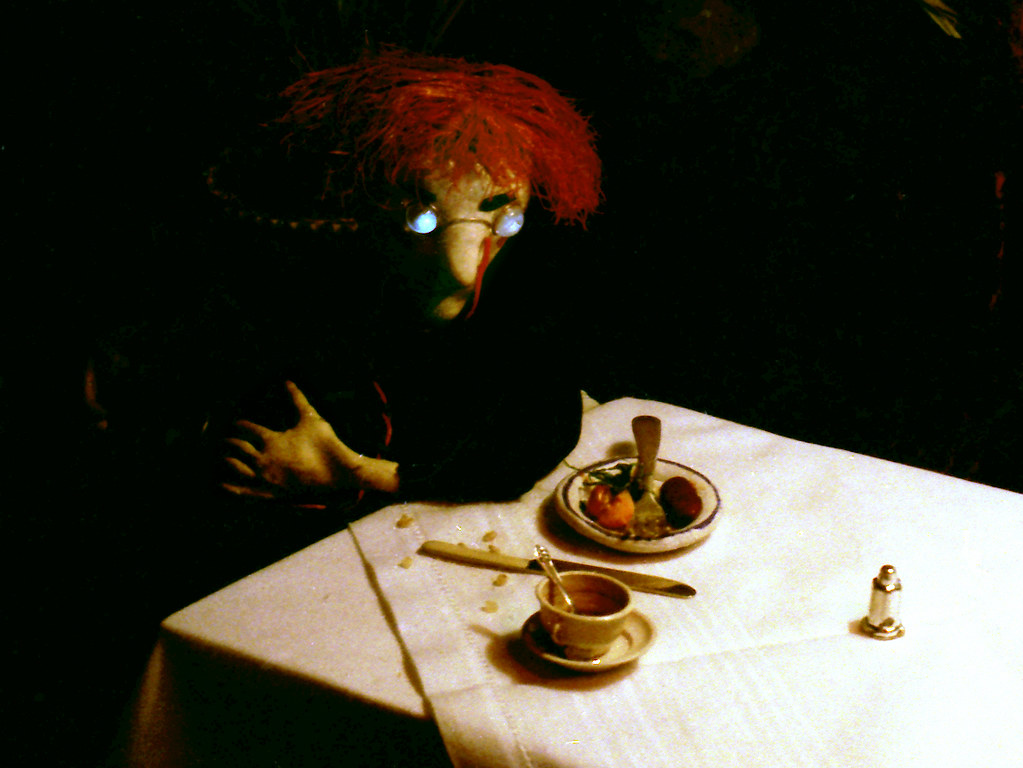
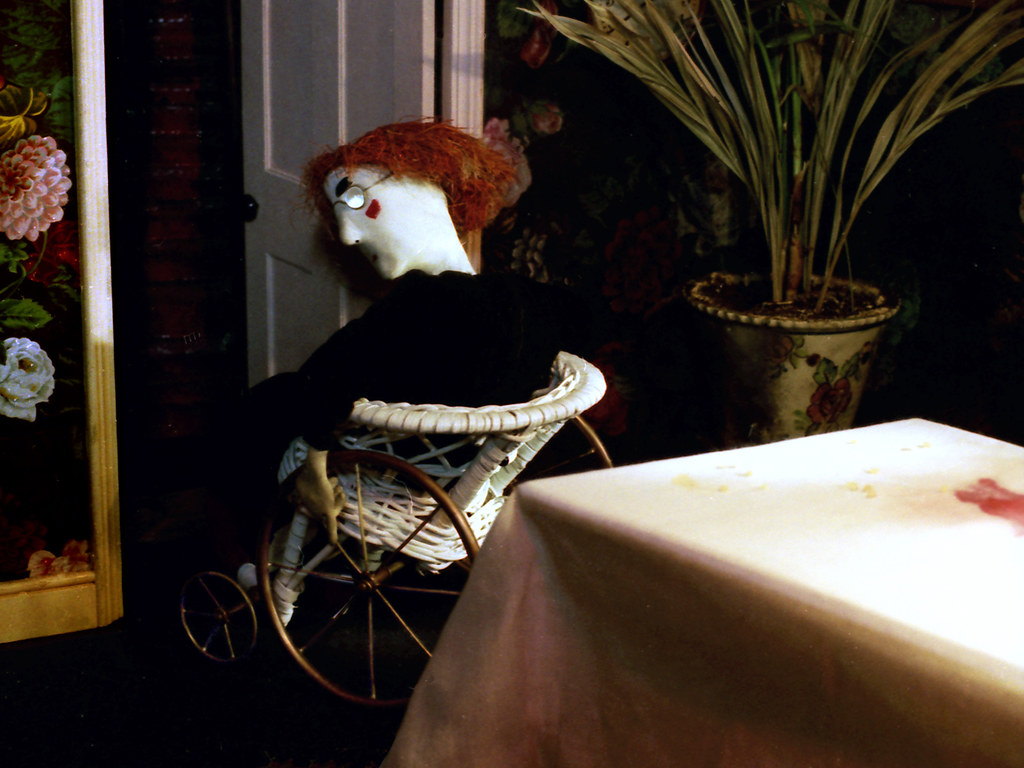
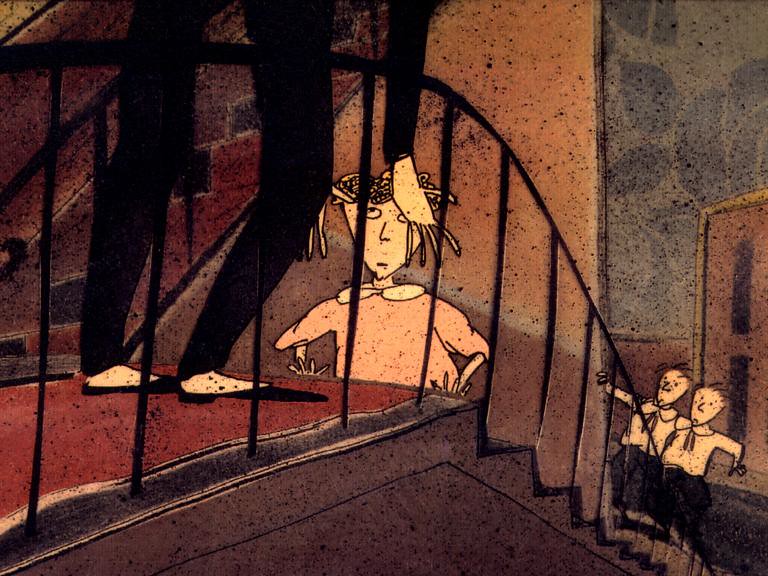
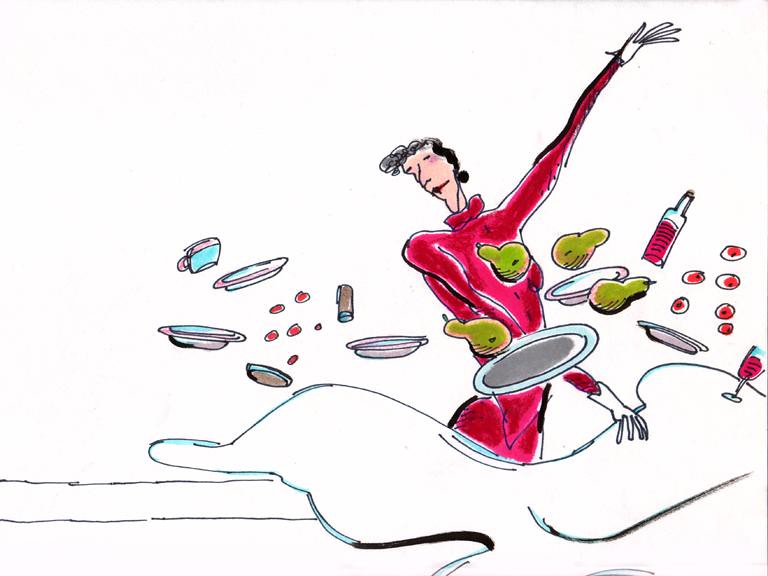
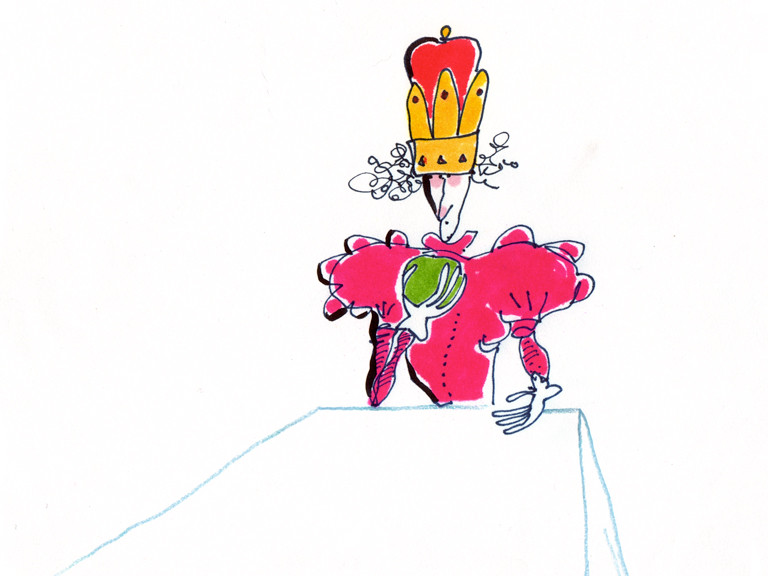
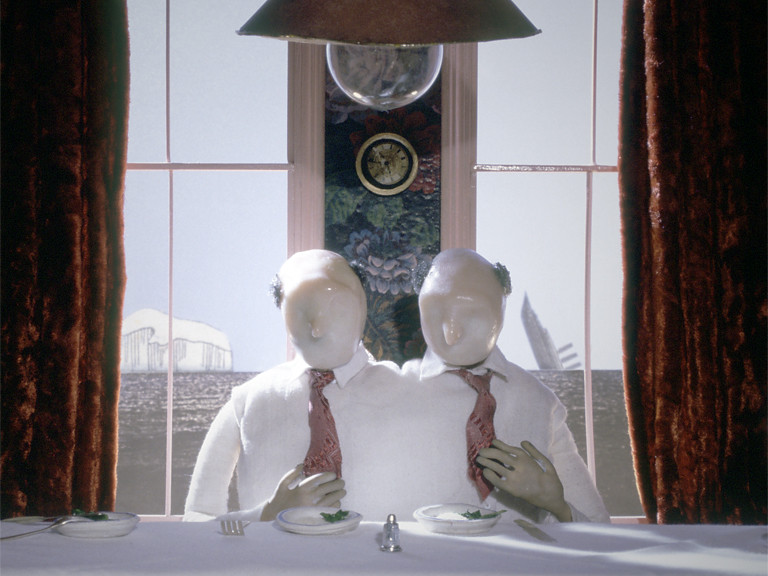
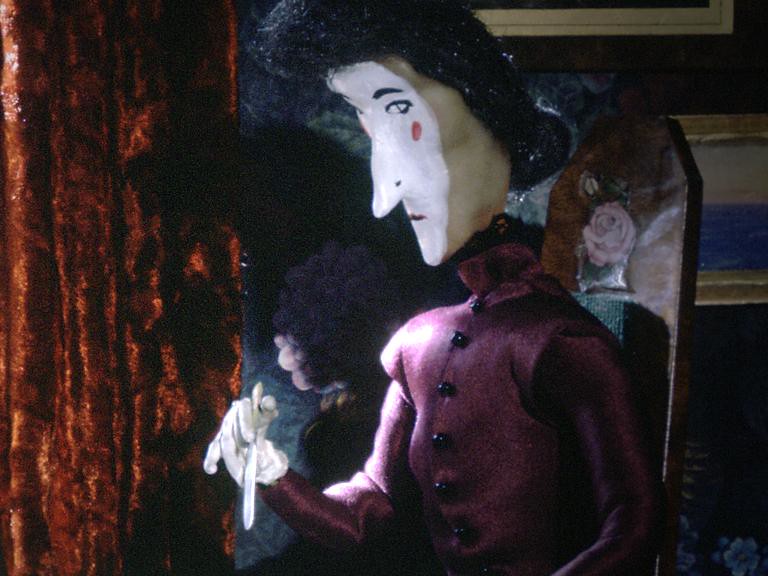
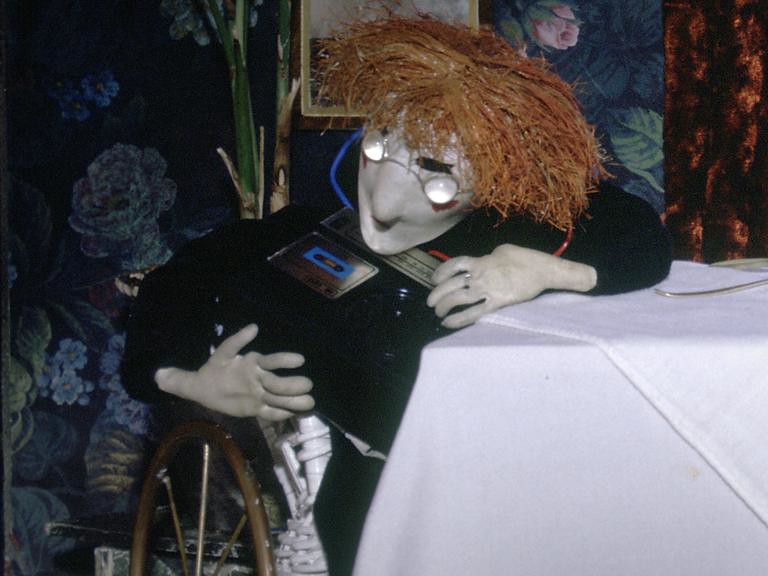
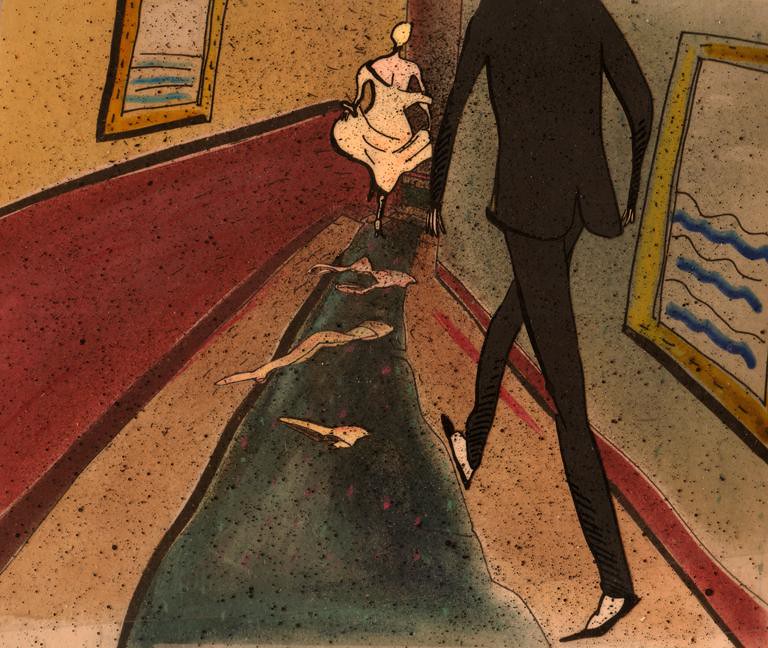
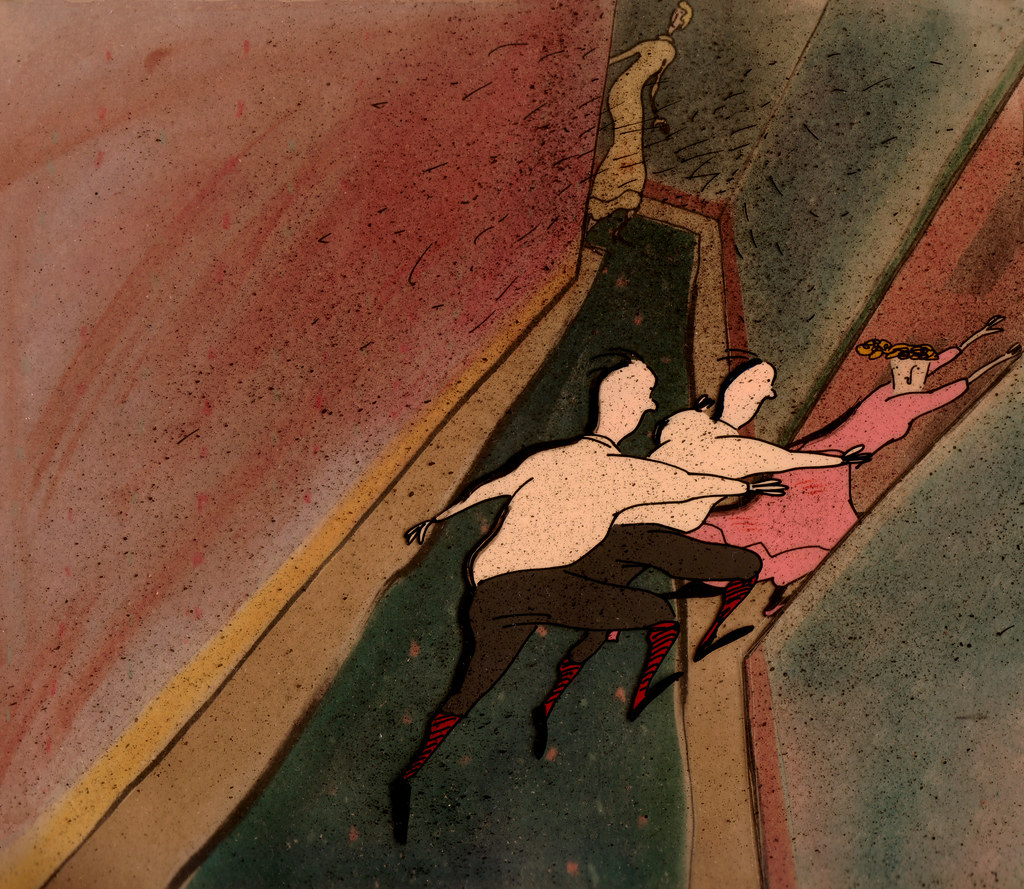
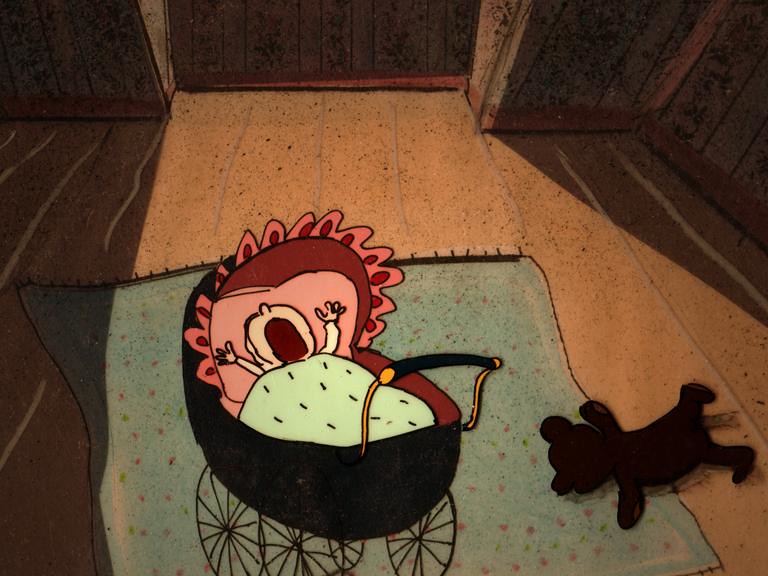
The photographs below are from the making of the film: the sets and puppets being built, lit and shot.
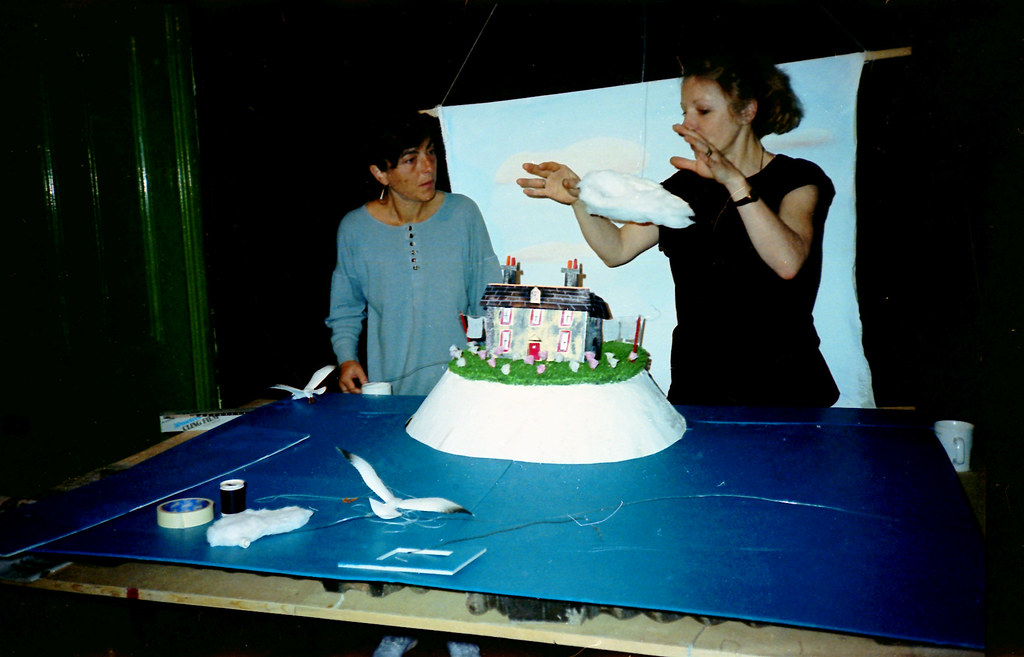
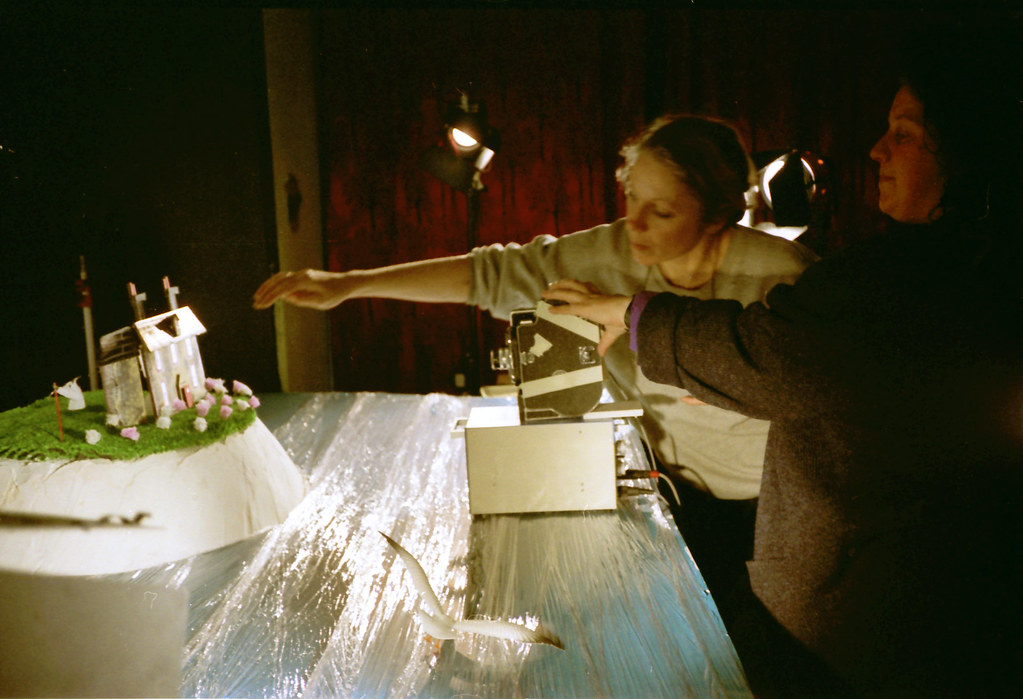
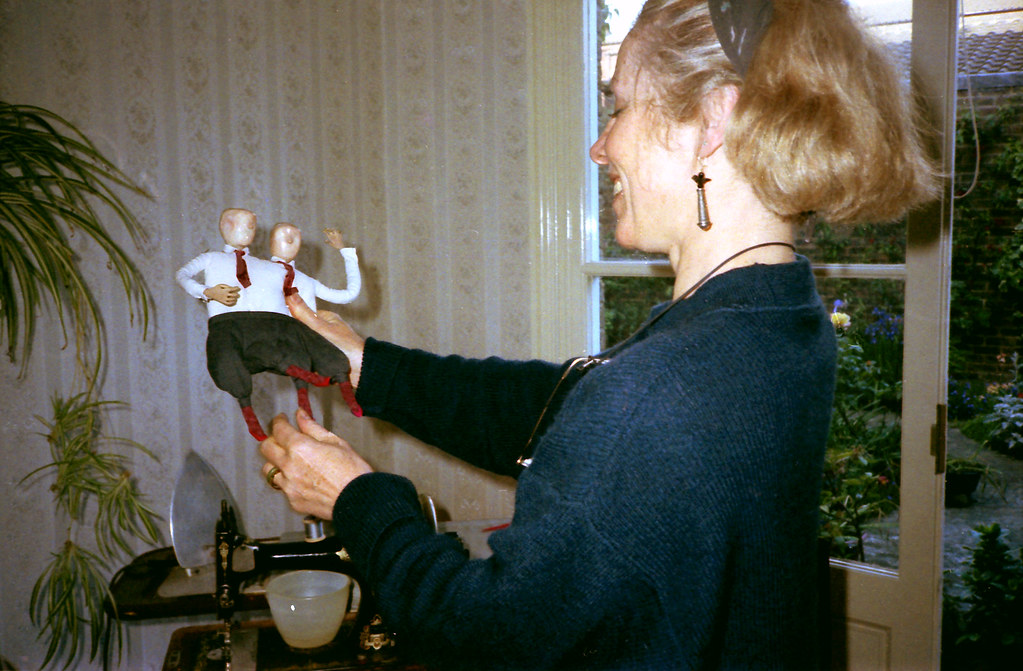
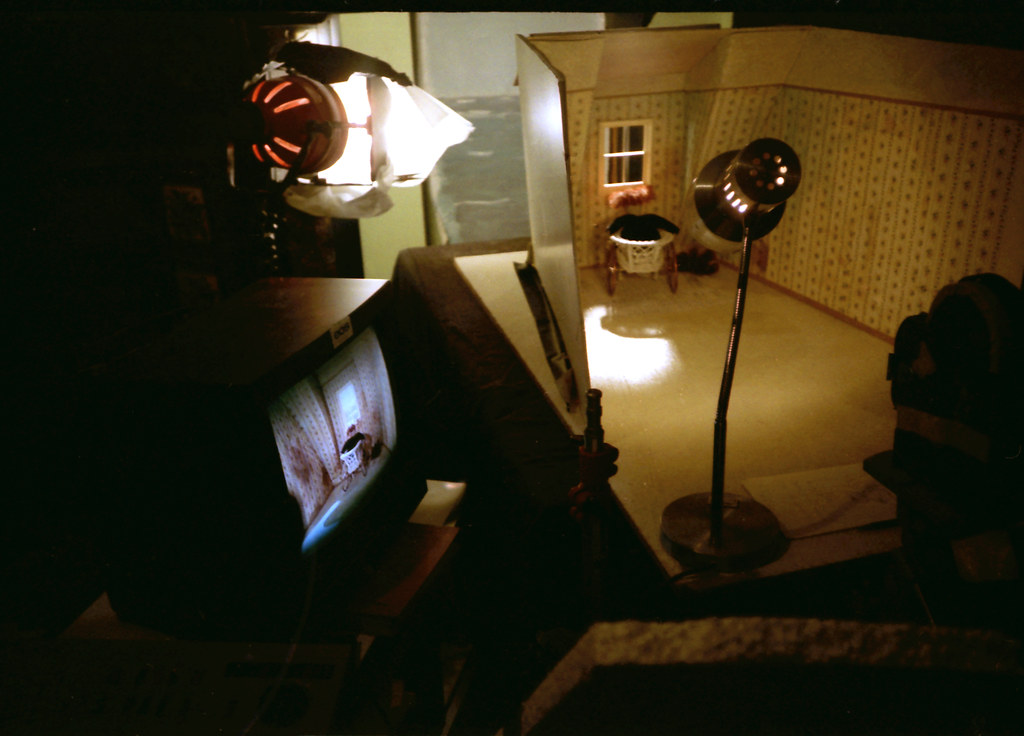
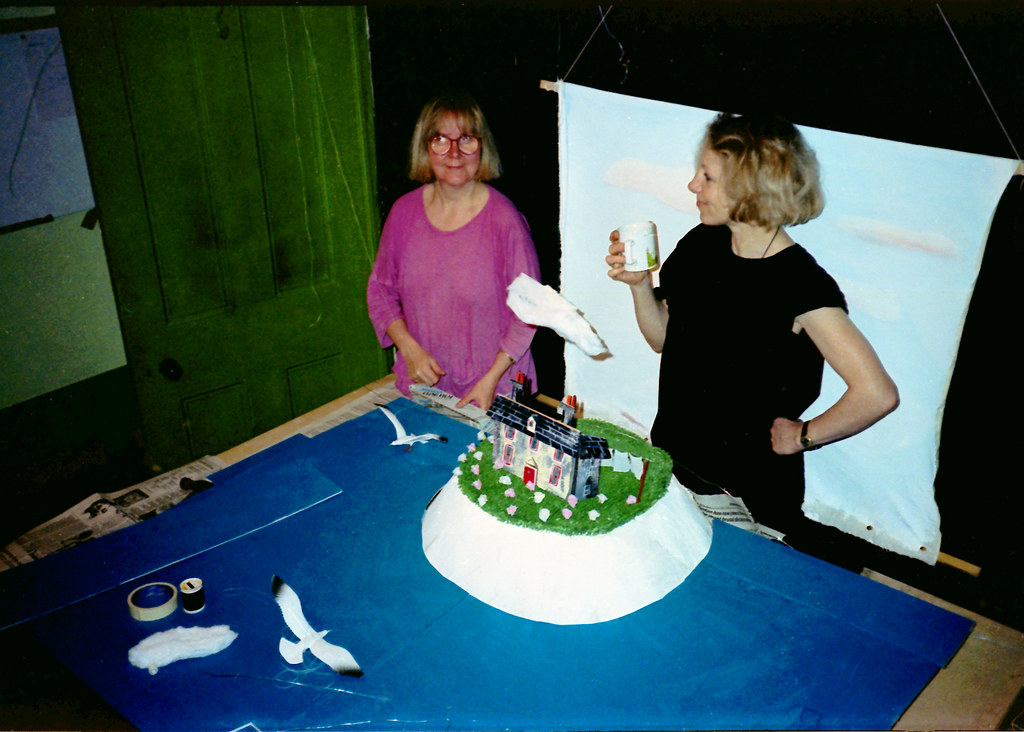
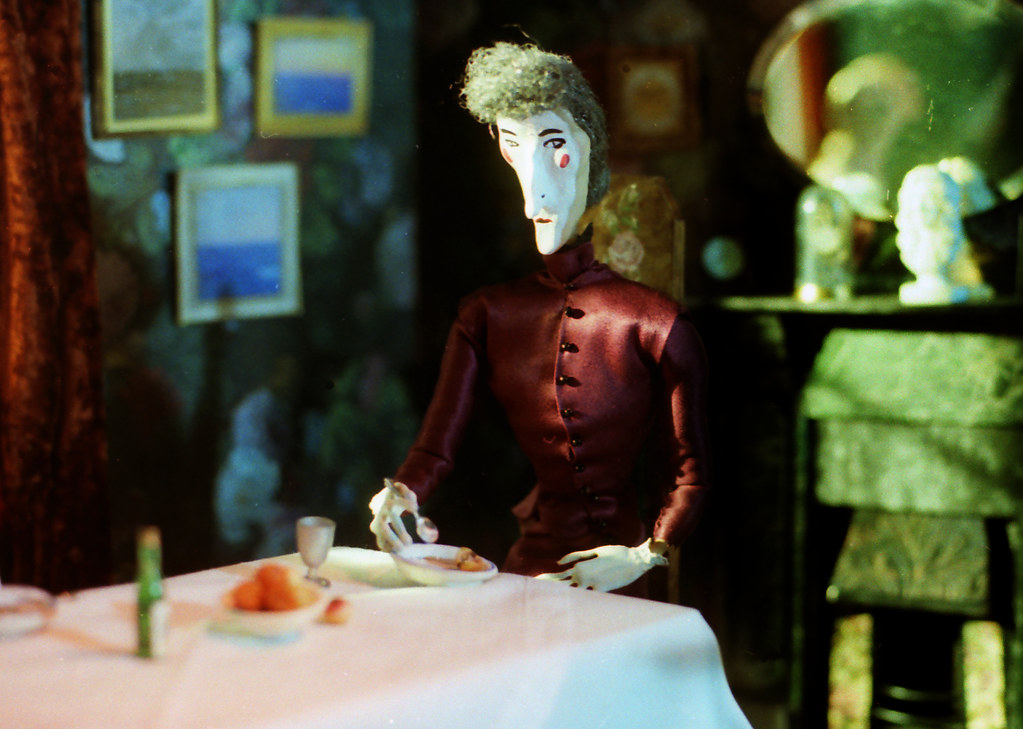
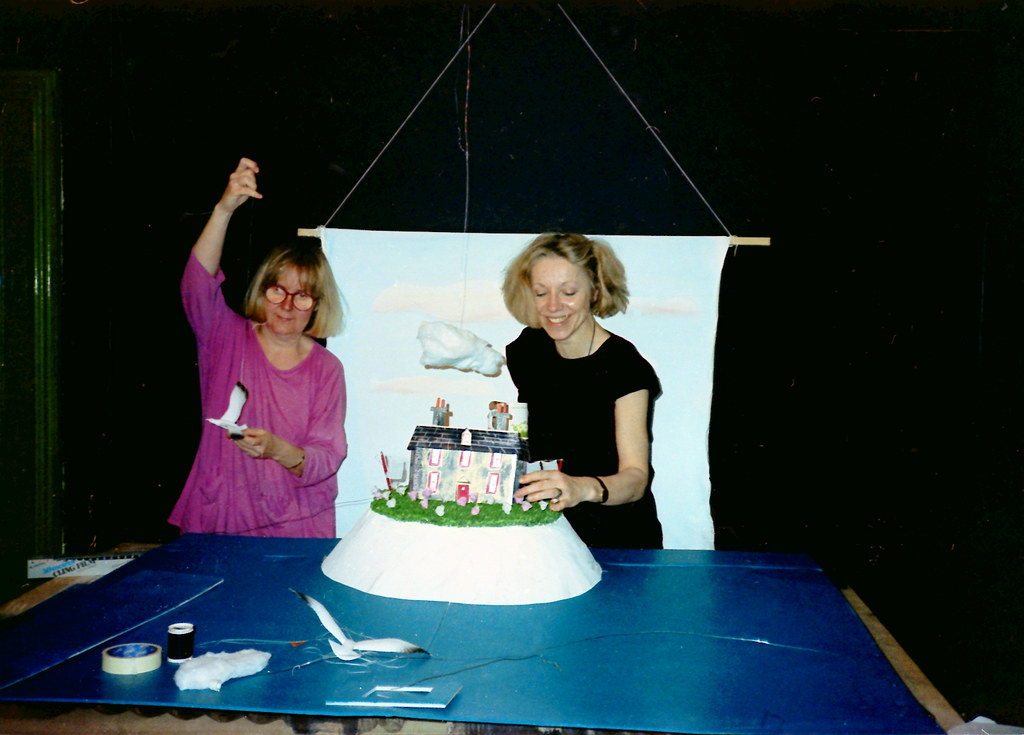
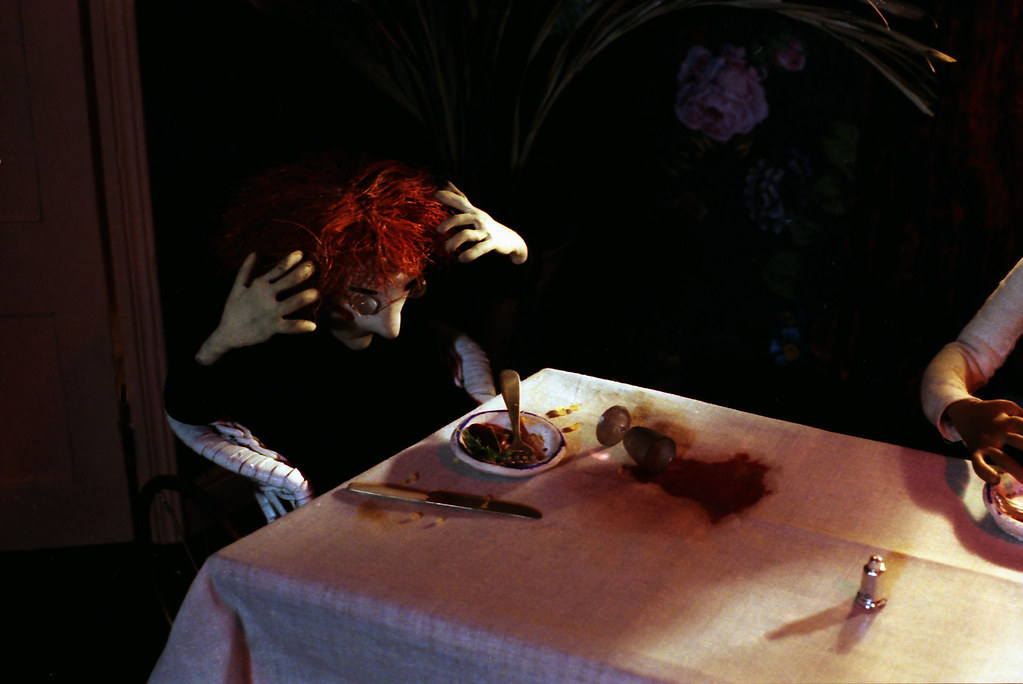
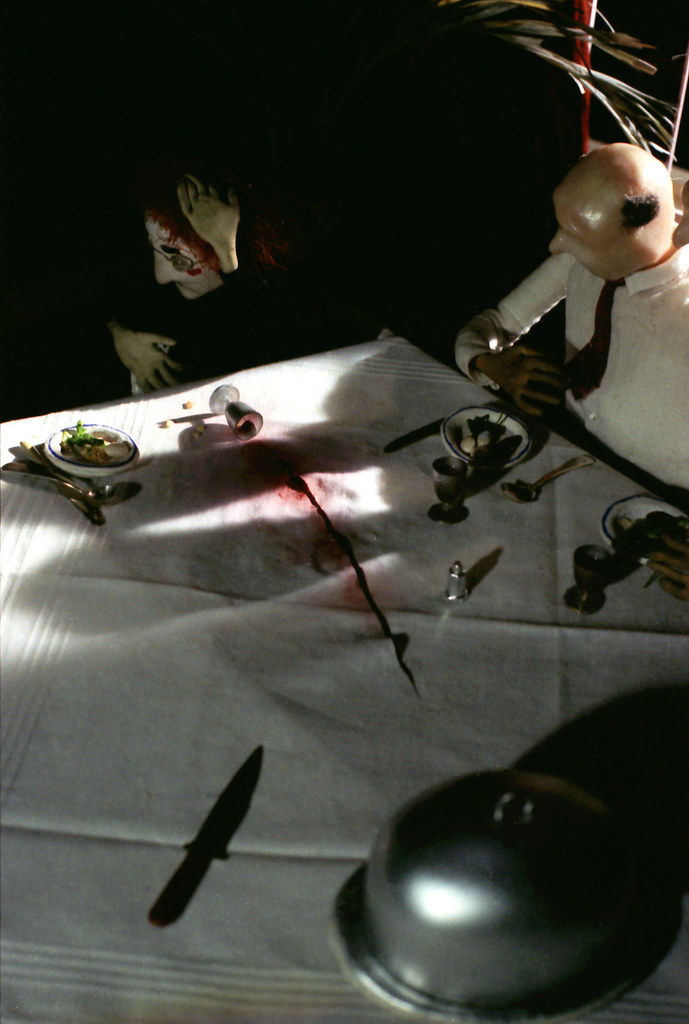
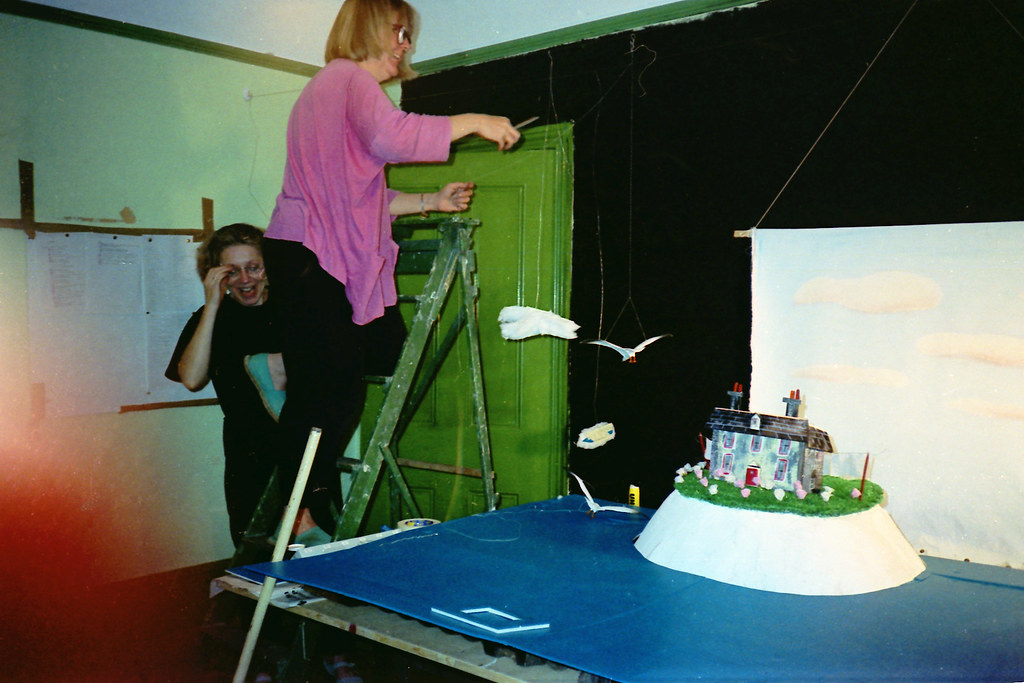
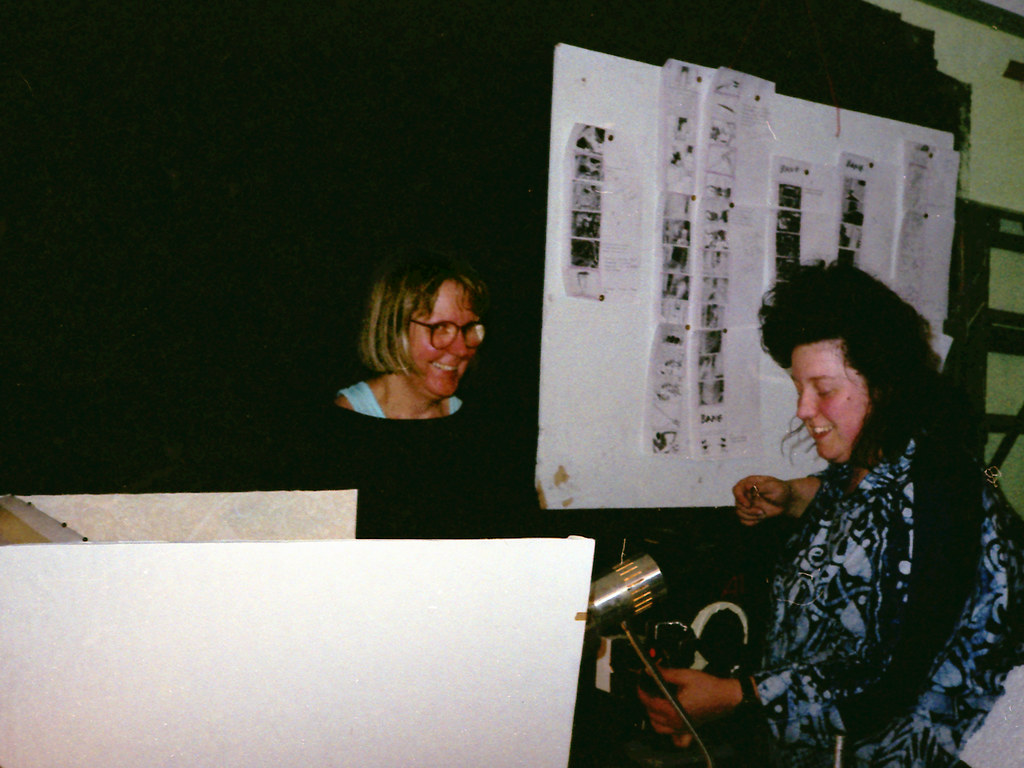
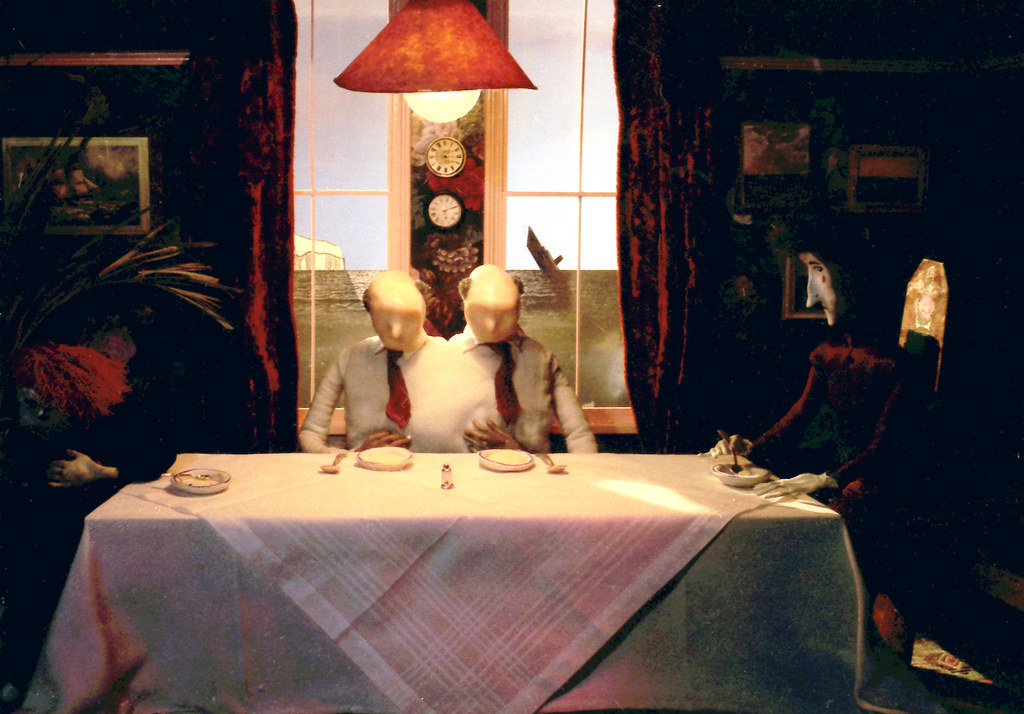
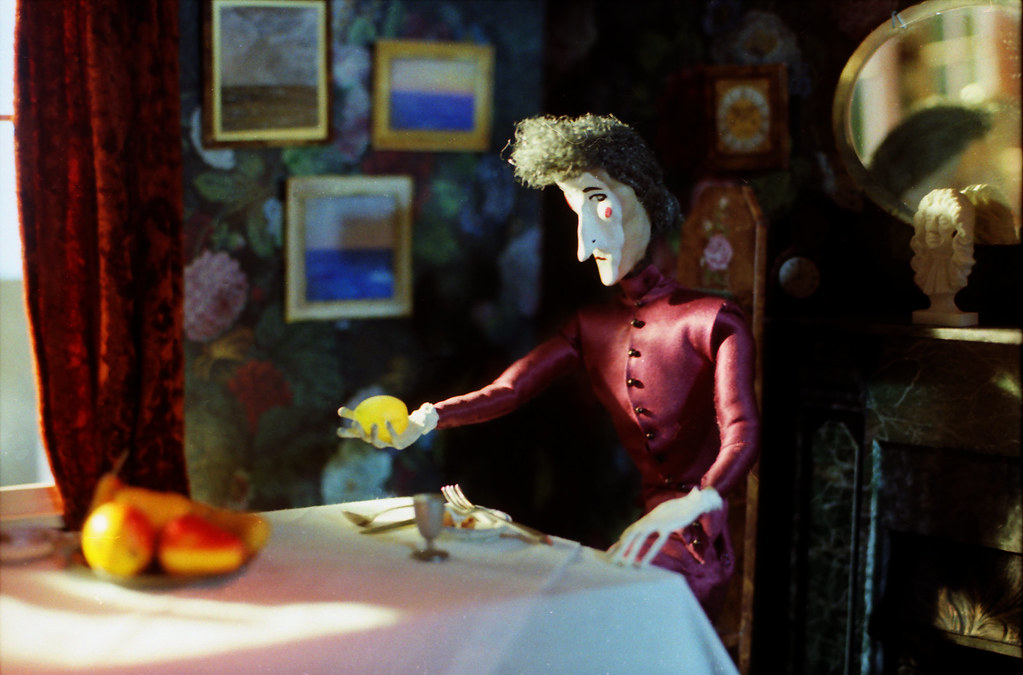
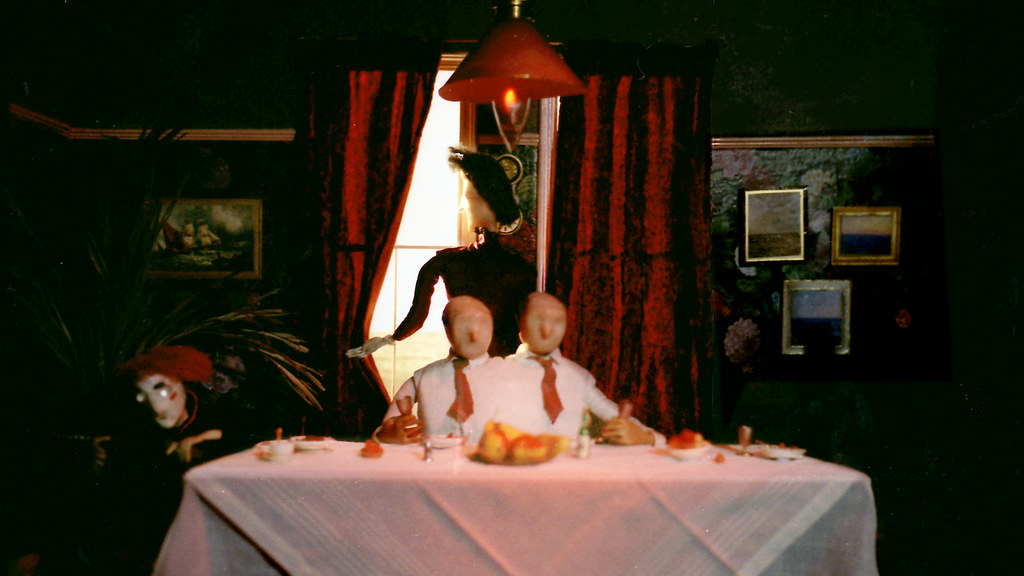
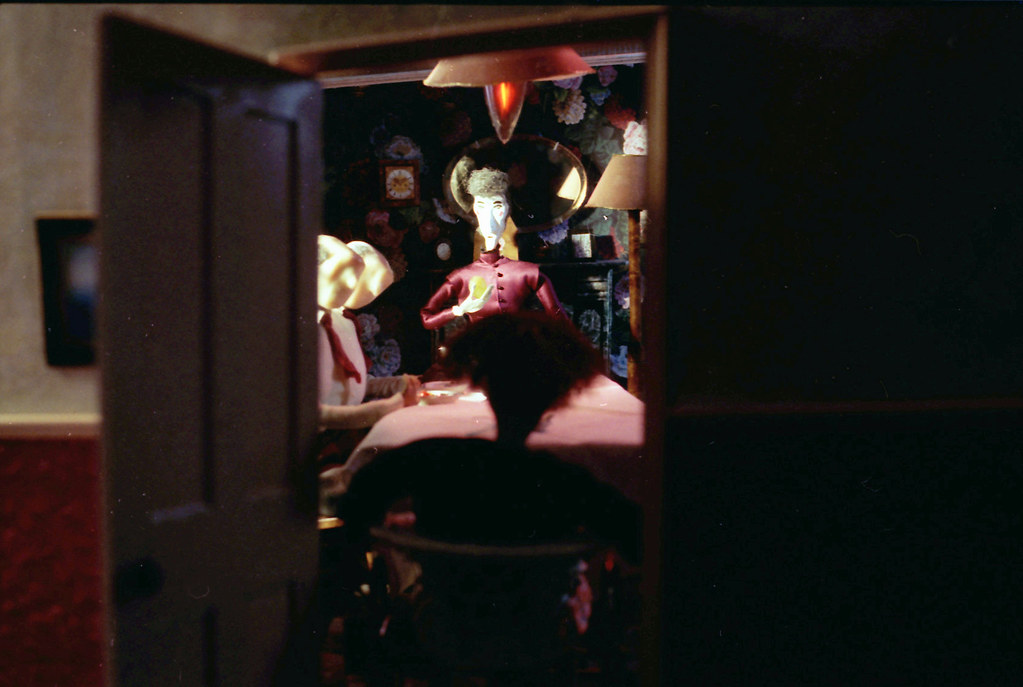
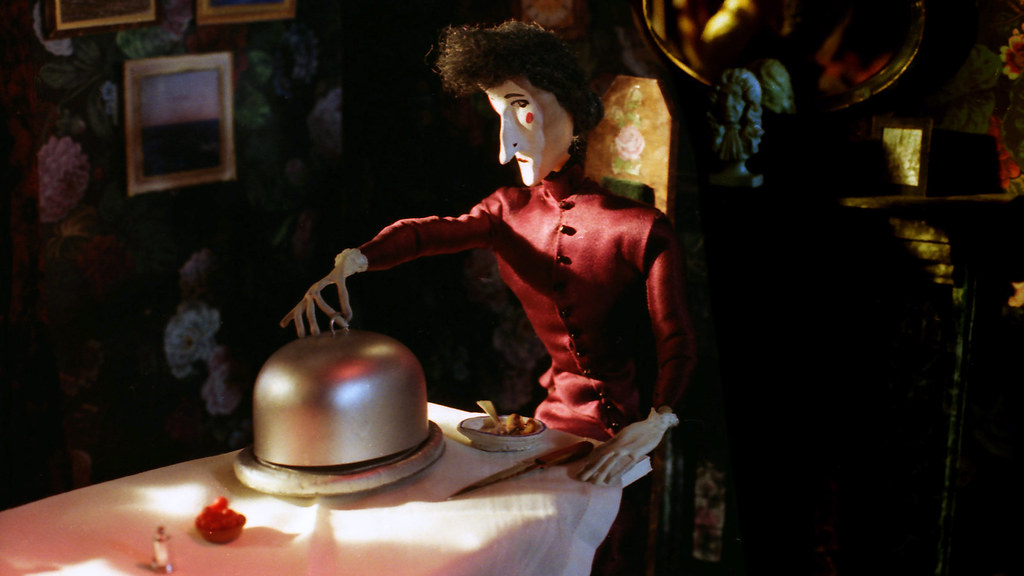
- Free to stream at the Internet Archive, uploaded by producer Orly Yadin
- On the DVD Desire & Sexuality: Animating the Unconscious, Vol 1 from the British Animation Awards, the companion to Jayne Pilling’s 2012 book
- Listed by Marjut on DVD from Yadin Productions
Awards
- 🏅 Special Jury Prize, 1992 Hiroshima International Animation Festival
- 🏅 Special Jury Prize, 1992 San Francisco International Film Festival
Credits
- Narration
- Chrissie Roberts
- Words
- Harriett Gilbert
- Research consultant
- Julia Vellacott
- Design
- Christine Roche
- Animation
- Marjut Rimminen
- Additional animation
- Jeff Goldner, Heini Kauppinen
- Assistant animators
- Gail Walton, Shelley McIntosh, Isabel Radage
- Painting
- Sarah Strickett, Sam Padget
- Checking
- Debra Thaine
- Set construction and electrician
- Dick Arnall
- Silversmith
- Pierre Marchand
- Rostrum camera
- Heather Reader at Bob Godfrey Films
- Lighting and camera
- Cathy Greenhalgh, Three Peach
- Editing and sound
- Tony Fish, Peter Hearn at Picturehead Productions
- Dubbing mixer
- Ian Selwyn at Studio Sound
- Music
- Dick Heckstall-Smith, Dave Moore, Giuseppe Verdi, Robert Schumann
- Producer
- Orly Yadin
- Production
- A Smoothcloud Production for Channel Four Television
- Distribution
- Channel Four International