Marjut Rimminen

Short films

Many Happy Returns

1996 · 16mm / Digibeta · 8 minutes

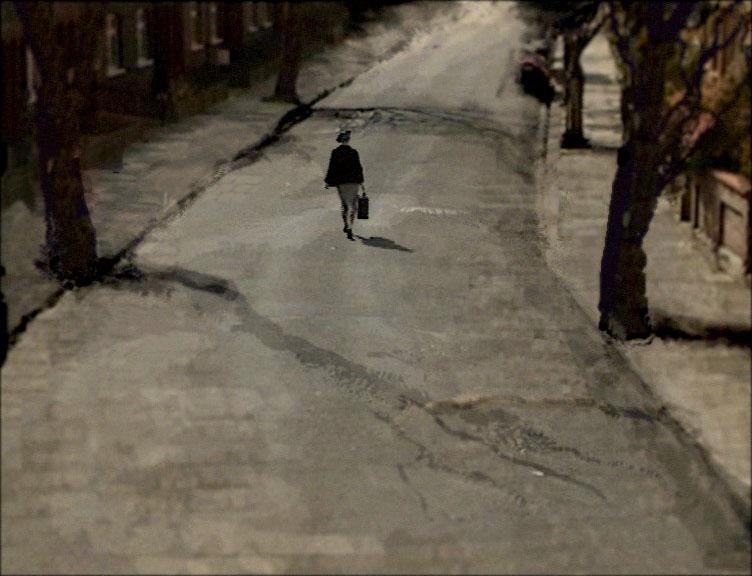
Still from Many Happy Returns, a lone figure with a bag walking away down a snowy street between bare trees

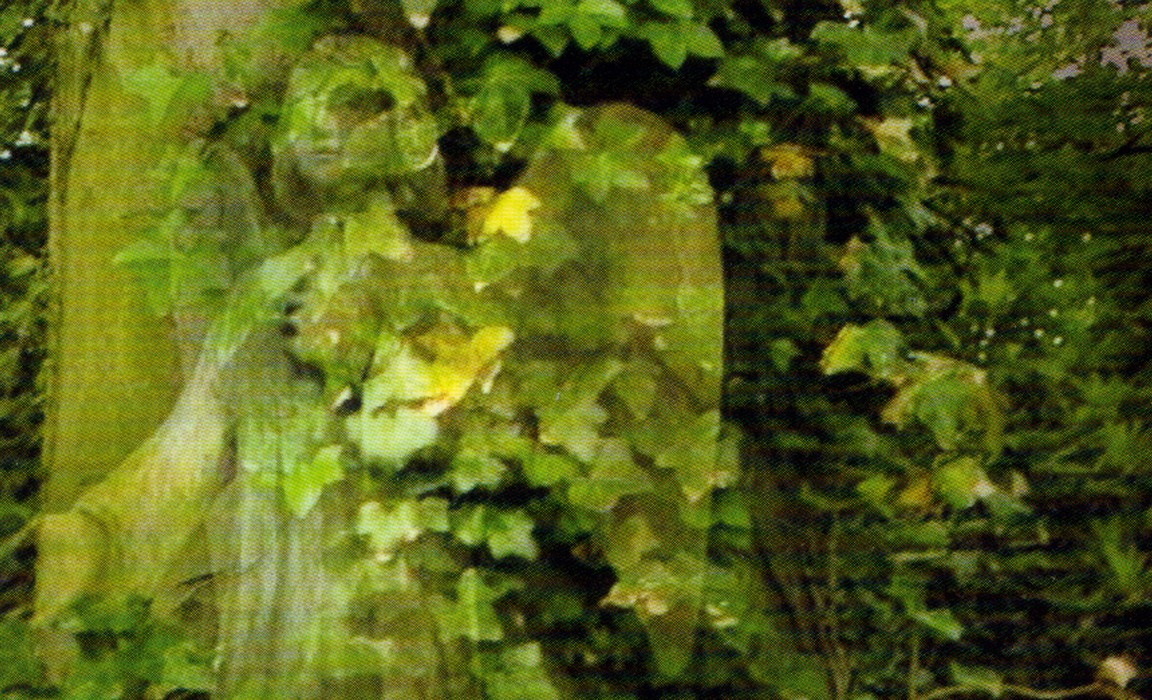
The disjointed debris of our childhood state still lurking within our adult consciousness act as a painful, disruptive force. A ghost-like little girl keeps tapping on a woman's consciousness, demanding attention, recalling a traumatic childhood event and thus distorting her experience of the present.

Paper-mâché puppets, drawn animation, computer animation, and lightly altered live action share the frame. A door slams or a mirror catches a glance, and the present collapses into the past.

Still from Many Happy Returns, white tulips, a dandelion clock in a glass sphere, a china rabbit and a tiny figure inside a glass jar

Marjut had strabismus as a child, and remembers her mother's distracted, sad way of looking through her. The ghost-like child of the film is a version of that earlier self.

A compelling work which succeeds in subverting conventional definitions of story-telling, animation and cinema.

Tampere International Short Film Festival jury, 5 March 1997

The animation resurrects the repressed and transparent child and forces the spectators to truly see her, not only with the help of their eyes.

Frames Cinema Journal, on the haptic spectatorship of the film

It is like a kick in the kidneys.

Thomas Basgier, Animation World Network Magazine, 2 July 1997

It was terribly upsetting because you don't get that contact with people. My mother had this very depressed and sad way of looking through you.

Marjut Rimminen, on her childhood strabismus, in conversation about the making of the film
Credits
Words
Harriett Gilbert
Father and Young Man
Kevin O'Donohoe
Mother and Young Woman
Sarah Strickett
Voices
Anthony May, Melanie Hudson, Camilla Hunsley
Live-action design and production
Daniel Simpson, Adam Cutts, Mark Sewell
Lighting
Layne Comarasawmy
Editing and sound
Tony Fish
Sound and dubbing
Nigel Heath
Digital compositing
Timo Arnall
Director and animator
Marjut Rimminen
Producer
Lee Stork
Production
A Tricky Films production for Channel 4
Distribution
Channel Four International

The Stain

1991 · 16mm · 11 minutes

A film by Marjut Rimminen and Christine Roche

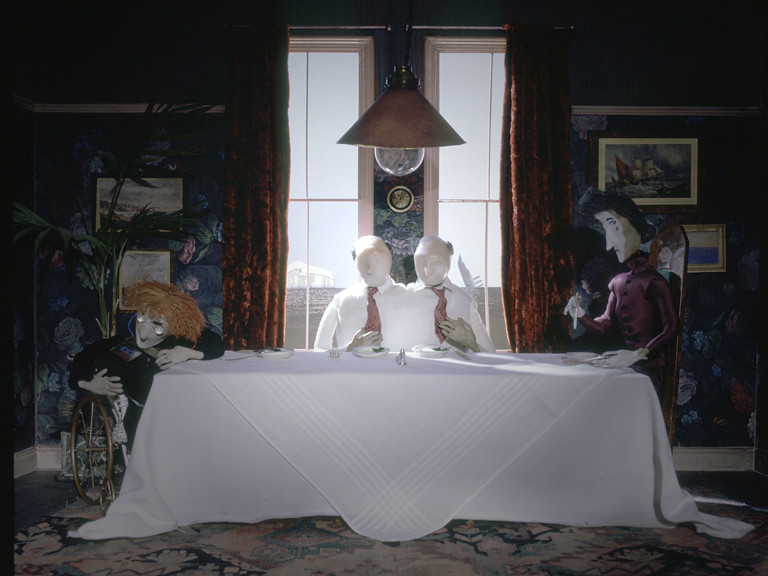
Still from The Stain, puppet figures around a dining table

Triggered by an actual news item about suicidal octogenarian twins, The Stain is a dark, domestic thriller which uses drawn, puppet, pixilation and live-action animation styles to spin a claustrophobic web of incest and intrigue.

Still from The Stain, drawn animation, family scene

An examination of incest and sex abuse within the nuclear family. … The Freudian ability of animators deftly to display the motives behind the mask is one of the great strengths of the form. Animation can handle difficult delicate topics with extraordinary lightness and perception.

Jeanette Winterson, Sight and Sound, October 1992

An imaginative animated fable about the benefits of family life: envy, incest, murder. With all the sinister simplicity of a tale by Edward Gorey, it is exactly the sort of thing that distributors should be picking up as support for their new features.

Waldo Lydecker, Time Out, 31 July 1991

This is a kind of crusade for me. From the very moment I discovered animation, I sensed that it could deal with life's complex issues and be more powerful in it than live action. We receive animation differently. By not being real, animation can seduce the viewer to look at something he rather does not, and reach beyond the eyes, directly to the emotions of the viewer.

Marjut Rimminen, Edwin Carels interview, Annecy 1993
Credits
Narration
Chrissie Roberts
Words
Harriett Gilbert
Research consultant
Julia Vellacott
Design
Christine Roche
Animation
Marjut Rimminen
Additional animation
Jeff Goldner, Heini Kauppinen
Assistant animators
Gail Walton, Shelley McIntosh, Isabel Radage
Painting
Sarah Strickett, Sam Padget
Checking
Debra Thaine
Set construction and electrician
Dick Arnall
Silversmith
Pierre Marchand
Rostrum camera
Heather Reader at Bob Godfrey Films
Lighting and camera
Cathy Greenhalgh
Editing and sound
Tony Fish, Peter Hearn at Picturehead Productions
Dubbing mixer
Ian Selwyn at Studio Sound
Music
Dick Heckstall-Smith, Dave Moore, Verdi, Schumann
Producer
Orly Yadin
Production
A Smoothcloud Production for Channel Four Television
Distribution
Channel Four International

Learned by Heart / Sydämeen kätketty

2007 · Documentary animation · 29 minutes

A film by Marjut Rimminen and Päivi Takala

Password: Marjut. The film contains material with rights restrictions.

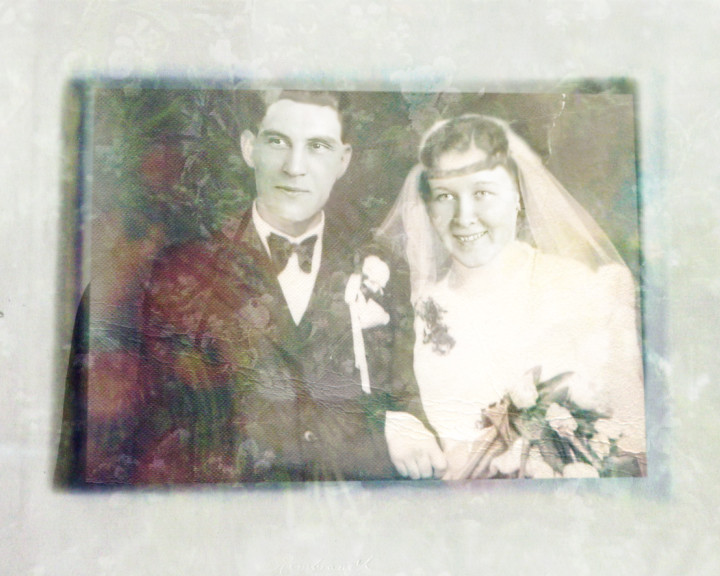
Still from Learned by Heart, vintage wedding photograph

Finland emerged from the Second World War in a schizophrenic state, having survived two wars against the Soviet Union with her independence intact, but having officially come out on the losing side. The film explores post-war adjustment in five episodes, examining how fathers struggled with civilian life after combat while mothers took control of household organisation.

Still from Learned by Heart, anti-Vietnam protest

A charged and deeply personal creative collaboration with composer and co-director Päivi Takala that steps unflinchingly into the charged territory of generational relations, historical amnesia and the secret agendas of the human heart.

Mark Webber, Secret Cinema, March 2007
Still from Learned by Heart, figure walking in snow with handwritten text
Credits
Screenplay
Marjut Rimminen, Päivi Takala
Direction
Marjut Rimminen, Päivi Takala
Cinematography
Marjut Rimminen, Kari Sohlberg
Editing
Tony Fish
Sound
Patrick Boullenger, Päivi Takala
Music
Päivi Takala
Producer
Anna-Kaisa Sukura for Soundsgood Productions Oy
Executive producer
Päivi Takala for Soundsgood Productions Oy
Broadcast
YLE

Some Protection

1987 · 16mm · 9 minutes

Part of Blind Justice, a four-part Channel 4 series on women and the law

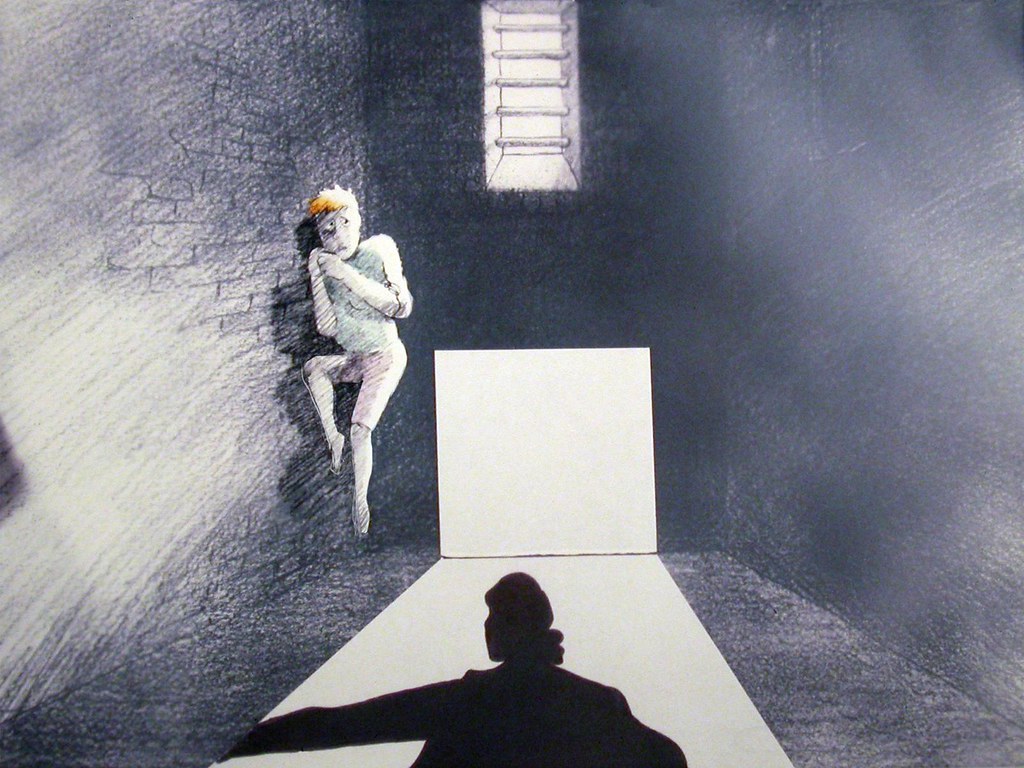
Still from Some Protection, prison cell

An animated documentary based on the true story of Josie O'Dwyer, with her own voice as personal commentary. The film shows the devastating effect that detention and imprisonment have on young girls who are sent in "for their own protection".

Still from Some Protection, Josie walking past neon lettering that reads GO away, an EXIT sign behind her
Still from Some Protection, HMP gates

The impact of Some Protection owes much to her ability to evoke visually and kinetically the moods, emotions and feelings of the protagonist, Josie O'Dwyer, as she narrates the true story of her experiences of detention and imprisonment.

James Leahy, The Guardian, 5 November 1987

It is widely assumed that documentary is about Griersonian grit, Flaherty fact and Wiseman wisdom, but this is to neglect the rich and varied tradition of documentary in the animated film. From Winsor McCay's Sinking of the Lusitania, to Marjut Rimminen's subjective documentary Some Protection, to Jan Svankmajer's The Death of Stalinism in Bohemia. Animation has documented the personal, social and political events that have shaped the world.

Dr Paul Wells, National Film Theatre lecture, November 1996

As an animator, I function best in my room, in a kind of solitary confinement. When Josie says the only escape from horrible reality was to go inside her head, I understood that very well.

Marjut Rimminen, Jayne Pilling, Women and Animation, BFI
Credits
Research
Gail Pearce
Design and animation
Marjut Rimminen
Assistant animation
Kathleen Houston
Painting
Adrian Kern, Vanessa Luther-Smith, Stoney Parsons, Debra Thaine
Rostrum camera
Heather Reader
Editing and sound
Picturehead Production
Narration
Josie O'Dwyer
Voices
David Goodland, Jaqueline Holborough, Josie O'Dwyer
Director
Marjut Rimminen
Producer
Orly Yadin
Production
A Smoothcloud Production for Channel Four Television

Urpo and Turpo

1996 · 35mm · 13 episodes

Animated television series, directed by Liisa Helminen and Marjut Rimminen, based on Hannele Huovi's books

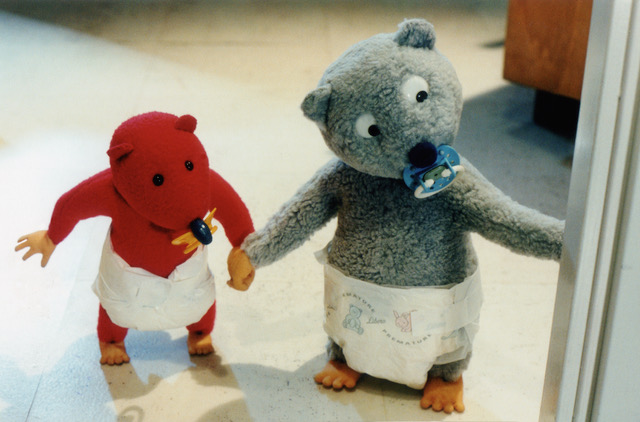
Still from Urpo and Turpo, Turpo (red) and Urpo (grey) standing side by side in their nappies

A Finnish stop-motion animated television series for children, based on Hannele Huovi's books. Teddy bears Urpo and Turpo live on a bookshelf in the children's room and are avaricious readers, particularly of the classics.

Marjut's directorial approach was to emphasise the bears' imaginations and to film what they saw from a child's eye level. Each episode begins from the bookshelf and rebuilds the rest of the bedroom into somewhere else. A stack of clean folded laundry becomes the princess's pile of mattresses; toy blocks scribbled in marker pen turn into a castle's keep; a plastic saw and a tea-towel apron set up a hospital. The imagined worlds are built out of whatever is already on the carpet.

Still from Urpo and Turpo, the bears playing knights atop a castle made from drawn-on wooden blocks
Still from Urpo and Turpo, Urpo beside a stack of folded laundry that has become the princess's mattresses

She paced the two bears differently in the animation. Turpo, the red one, leaps before he thinks: spontaneous action and perpetual movement. Urpo, in grey, is pensive and sensitive, with a lively imagination. Turpo lurches from one pose to the next; Urpo lingers, looks, considers.

Still from Urpo and Turpo, Turpo in a surgeon's mask wielding a toy saw

You don't need to speak slowly and loudly to children. Small minds move fast and anything but linearly. From whim to whim, jumping wildly from one thing to another.

Marjut Rimminen, Kotiliesi, 4 October 1996

Urpo and Turpo are without a doubt Finland's funniest bears. Children, adults and critics alike fell in love first with the books and then with the autumn animated series. For animator Marjut Rimminen, the series was a new challenge.

Kirsi Riipinen, Kotiliesi, 4 October 1996

Urpo and Turpo, better than Toy Story.

Ilta Sanomat, film review, 1996

I'm not a Feminist, but…

1986 · 35mm · 7 minutes

Adapted from the cartoons and drawings of Christine Roche

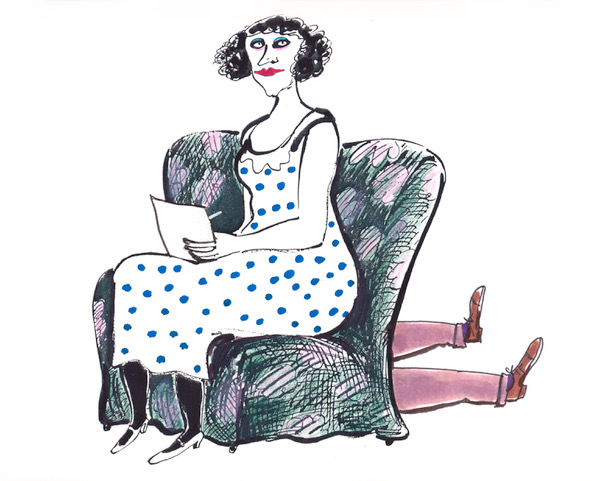
Still from I'm not a Feminist, but… A woman in a blue polka-dot dress reading a letter in an armchair, a man's legs on the floor beside her

Watch out: if you insist on saying "I'm not a Feminist, but…", then you may well find yourself pushing the old man over the edge or behind the sofa, as the case may be.

Rimminen's feminism has a playful and ironic element to it; her films show just how possible it is to combine critical cinema and entertainment.

Ulrich Wegenast, Trickfilm Festival Stuttgart retrospective, April 1998
Credits
Animation
Marjut Rimminen
Additional animation
Jeff Goldner, Spud Houston
Tracing
Gail Pearce, Christine Dawe, Russel Murch, Christine Roche
Painting
Debra Thaine, Denise Hambry, Stoney Parsons, Chris Rayment, Tessa Sheridan
Rostrum camera
Cartoon Camera Co, Wolff Productions, Begonia Tamarit
Editing and sound
Charlotte Evans
Voices
Glynis Brooks, David Tate, Anita West
Music
Composed and performed by Dick Heckstall-Smith and Dave Moore. Sung by Lorna Rowe and Tracy King.
Director
Marjut Rimminen
Producer
Dick Arnall
Production
A Marjut Rimminen Animation production in association with Channel Four Television

Trip to Eternity / Matka ikuisuuteen

1972 · 16mm · 2 minutes

A film by Marjut and Sakari Rimminen

An actor is prepared for the final shot in this pastiche of filmmaking. A macabre comedy sketch by sister and brother.

  • 🥉 Honourable Mention, 1973 Lübeck Film Festival
Credits
Direction, design, animation, painting, camera, editing, sound
Marjut and Sakari Rimminen, every role on the film attributed jointly in the original credits
Production
A Rimminen and Rimminen production for YLE and Suomen elokuvasäätiö
Distribution
Elokuvakontakti

The Bridge / Silta

1982 · 35mm · 8 minutes 43 seconds

A man and a woman engage in a desperate battle between gloom and hope.

The Bridge by Marjut Rimminen is one of the finest Finnish animations through decades. It is a satire of war and peace, of optimism and pessimism. It explores the limitations of our reality with black humour. It is about the struggle between hope and despair, that neither of them wins, but life goes on.

Tampere Film Festival 1998 retrospective
  • 🏅 Valtion laatutuki, 1983, Finnish State Quality Grant
Credits
Script, design, animation, direction
Marjut Rimminen
Editing
Oskari Viskari
Rostrum camera
Lauri Pitkänen
Music
Joe Davidow
Producer
Mikael Wahlforss
Production
Epidem
Financed by
YLE, Swedish Radio, Suomen elokuvasäätiö

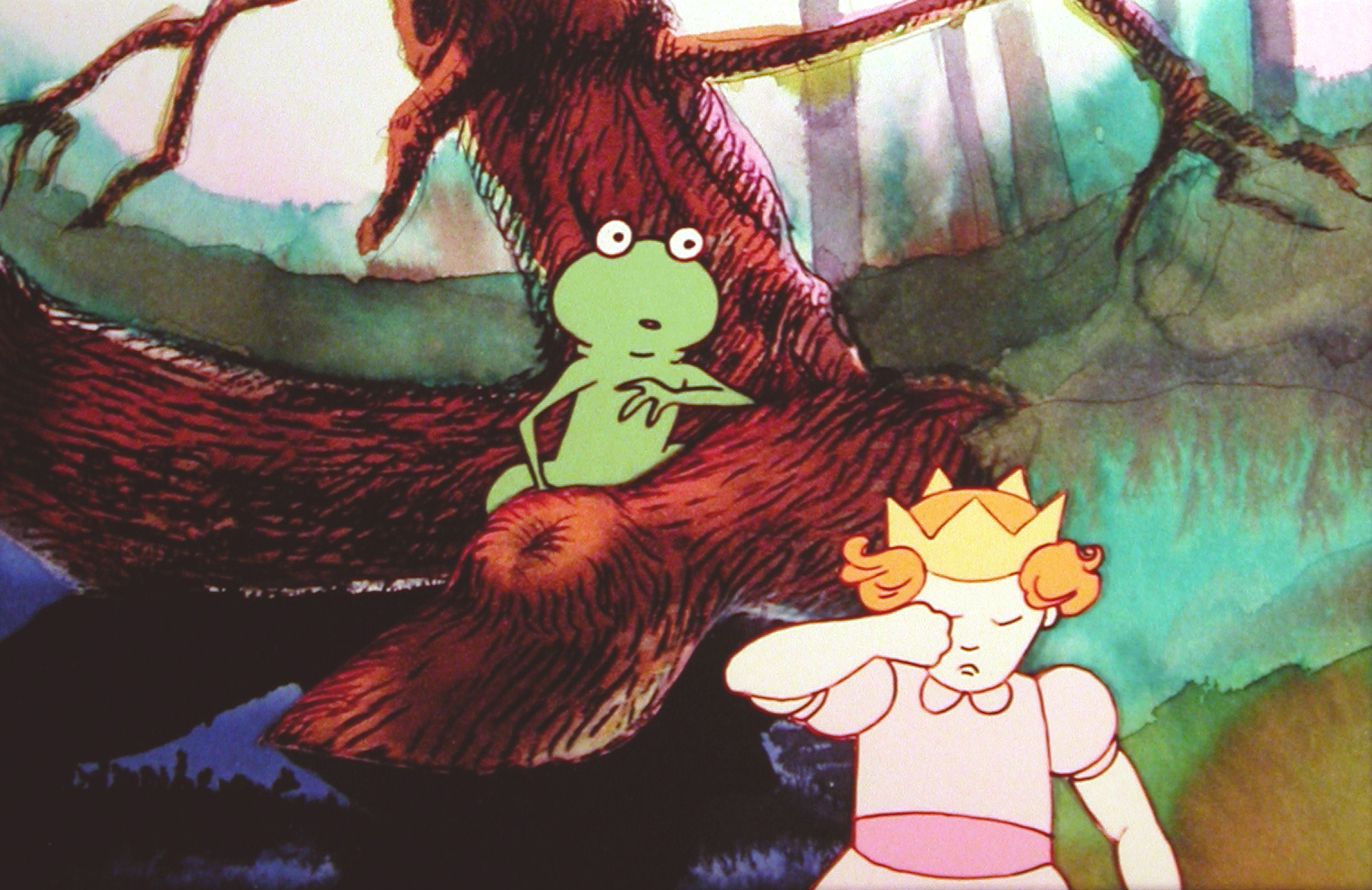
The Frog King

1989 · 35mm · 7 minutes

Marjut's interpretation of the Brothers Grimm tale. One of thirteen shorts in ITV's Magic Mirror anthology, produced by Ragdoll for Kellogg's and broadcast in December 1989.

  • 🥇 Winner, 1989 Magic Mirror animated fairytale competition (Kellogg's / ITV)
Credits
Script
Simon Bent
Design and animation
Marjut Rimminen
Additional animation
Jeff Goldner, Kathleen Houston, Sarah Vincent
Assistant animators
Vanessa Luther-Smith, Caroline Cole
Painting
Heini Kauppinen, Susan Edwards, Sheila Eaton
Checking
Stoney Parsons
Rostrum camera
Heather Reader
Editing and sound
Picturehead Productions
Voices
Denise Bryer, Peter Hawkins
Director
Marjut Rimminen
Producer
Ragdoll Productions for Kellogg's

Absolut Marjut Rimminen

1996 · BetaSP · 2 minutes

Part of the Absolut Panushka Experimental Animation Website. Twenty-four animators were each asked to interpret the classic Absolut bottle silhouette in their own distinctive styles, ten seconds each. The first website on the Internet to exhibit experimental animation. Absolut Marjut Rimminen is an edited compilation of all the experiments she made for it.

  • 🥇 Joop Geesink Prize for Best Campaign, 1996 Holland Animation Film Festival, Utrecht
  • 🥇 Best Animation Produced for the Internet, 1997 Los Angeles World Animation Celebration
  • Cool Design Award finalist, 1997 Cool Site of the Year
  • 🥉 Honourable Mention, 1997 Communications Art Interactive Design Annual
Credits
Animation, compositing, direction
Marjut Rimminen
Editing
Tamara MacLachlan
Producer
Debra Callabresi
Production
Troons Ltd
Client
Absolut Vodka

Mixed Feelings

1998 · BetaSP · 4 × 3 minutes

Episodes "Virginia" and "Anita", directed by Marjut Rimminen and Gillian Lacey

A series of four programmes for Channel 4's Whose Choice? season, commemorating thirty years since the change of the abortion law in England. Virginia's and Anita's stories are the first two of four personal accounts of different experiences of abortion.

Credits
Researcher
Rachel Bailey
Production manager
Nicolette Howard
Camera
Terry Flaxton
Sound
Jonathan Enkel
Dubbing mixer
George Foulgham
Composers
Sue Herrod, Mieko Shimizu
Digital compositing
Timo Arnall, Marjut Rimminen
Editing
Tamara MacLachlan
Direction
Marjut Rimminen
Producer
Marilyn Milgrom
Production
An APT production for Channel 4
Distribution
Channel Four International

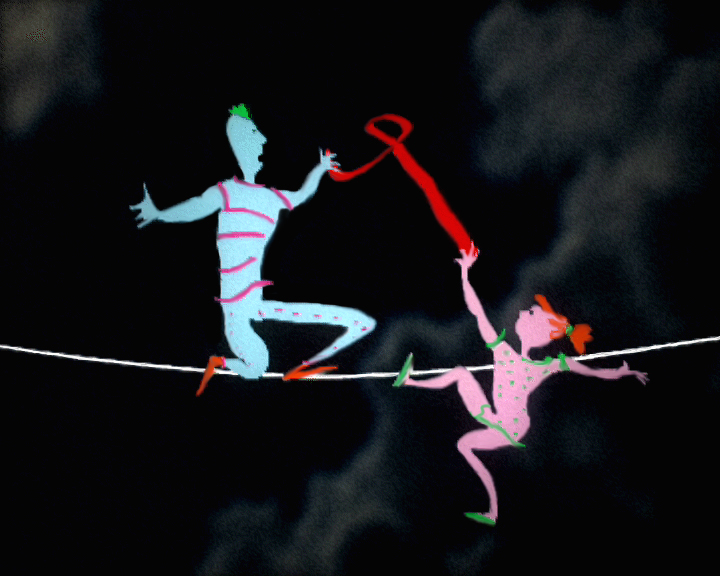
Unicef AIDS Red Ribbon

2001 · Digibeta · 1 minute 10 seconds

Young adults on a tightrope, balancing their sexual activity with the threat of AIDS / HIV. Part of the UNICEF Anijam project, with fourteen animators each contributing a piece.

Credits
Script
Christine Roche and Marjut Rimminen
Design
Christine Roche
Animation
Marjut Rimminen
Digital compositing
Timo Arnall
Editing
Tony Fish
Sound
Hackenbacker
Music
Connect 2 Music
Director
Marjut Rimminen
Producer
Mikael Wahlforss
Production
A Tricky Films Production for Epidem ZOT
Commissioned by
UNICEF